Everest Base Camp Treks

  • Duration 14
  • Destination Nepal
  • Trip Grade Moderate
  • Starts at Lukla
  • Ends at Lukla
  • Meals (breakfast, lunch, and dinner)
  • Accommodation Tea House / Camping
  • Max. Altitude 5,364M
  • Activity Trekking , Hiking & Exploring
  • Group Type Private
  • Group Size 2-12
  • Best Season spring and Autumn
Highlights
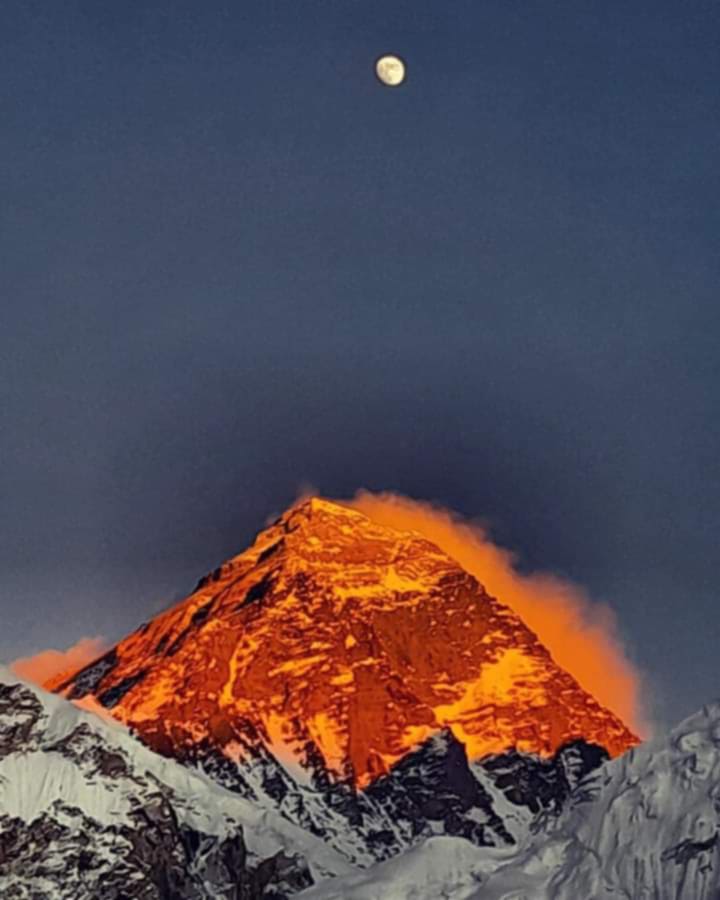
  • Breathtaking Scenery: Stunning views of Everest, Lhotse, Nuptse, and Ama Dablam.
  • Iconic Landmarks: Visit Everest Base Camp (5,364 m) and Kala Patthar (5,545 m) for panoramic vistas.
  • Sherpa Culture: Explore traditional villages, vibrant festivals, and the famous Tengboche Monastery.
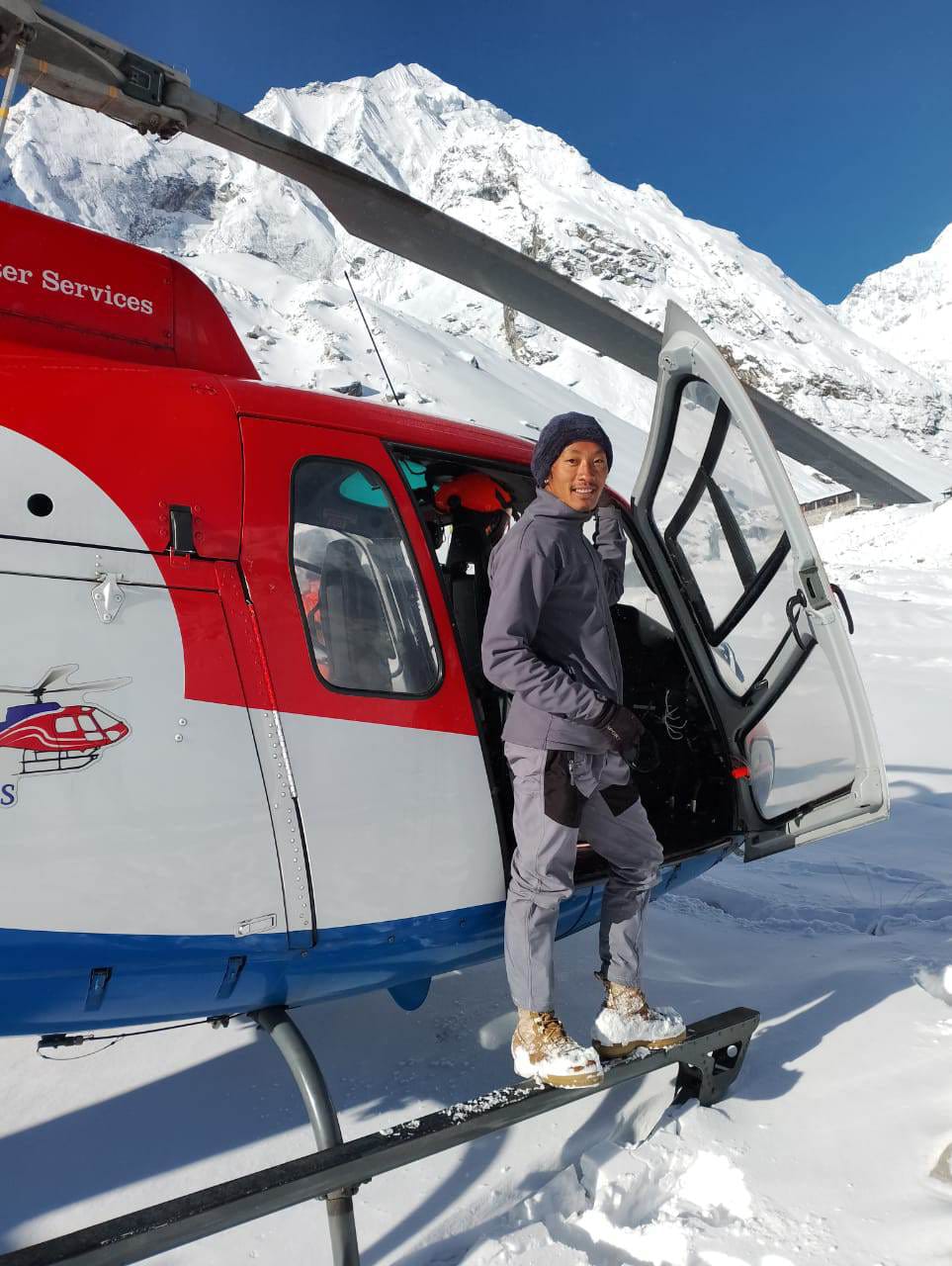
  • Thrilling Journey: Experience the scenic flight to Lukla and trek through the Khumbu Valley.
  • Adventure of a Lifetime: Cross suspension bridges, hike glacial moraines, and walk in the footsteps of Everest legends.

Everest Base Camp Treks Overview

The Everest Base Camp Trek is one of the most iconic trekking adventures in the world, leading you to the foothills of the mighty Mount Everest (8,848.86 m). This legendary journey takes you through the heart of the Khumbu region, offering awe-inspiring views of towering peaks, including Everest, Lhotse, Nuptse, and Ama Dablam. With its breathtaking scenery, rich cultural experiences, and the allure of standing at the base of the world’s highest mountain, this trek is a dream for adventurers.

The trail begins with an exhilarating flight to Lukla and continues through charming Sherpa villages such as Namche Bazaar, Tengboche, and Dingboche. Along the way, trekkers can immerse themselves in Sherpa culture, visit ancient monasteries, and enjoy the warm hospitality of the locals. The journey also includes stops at the iconic Everest View Hotel and the spiritually significant Tengboche Monastery, set against a stunning backdrop of Himalayan peaks.

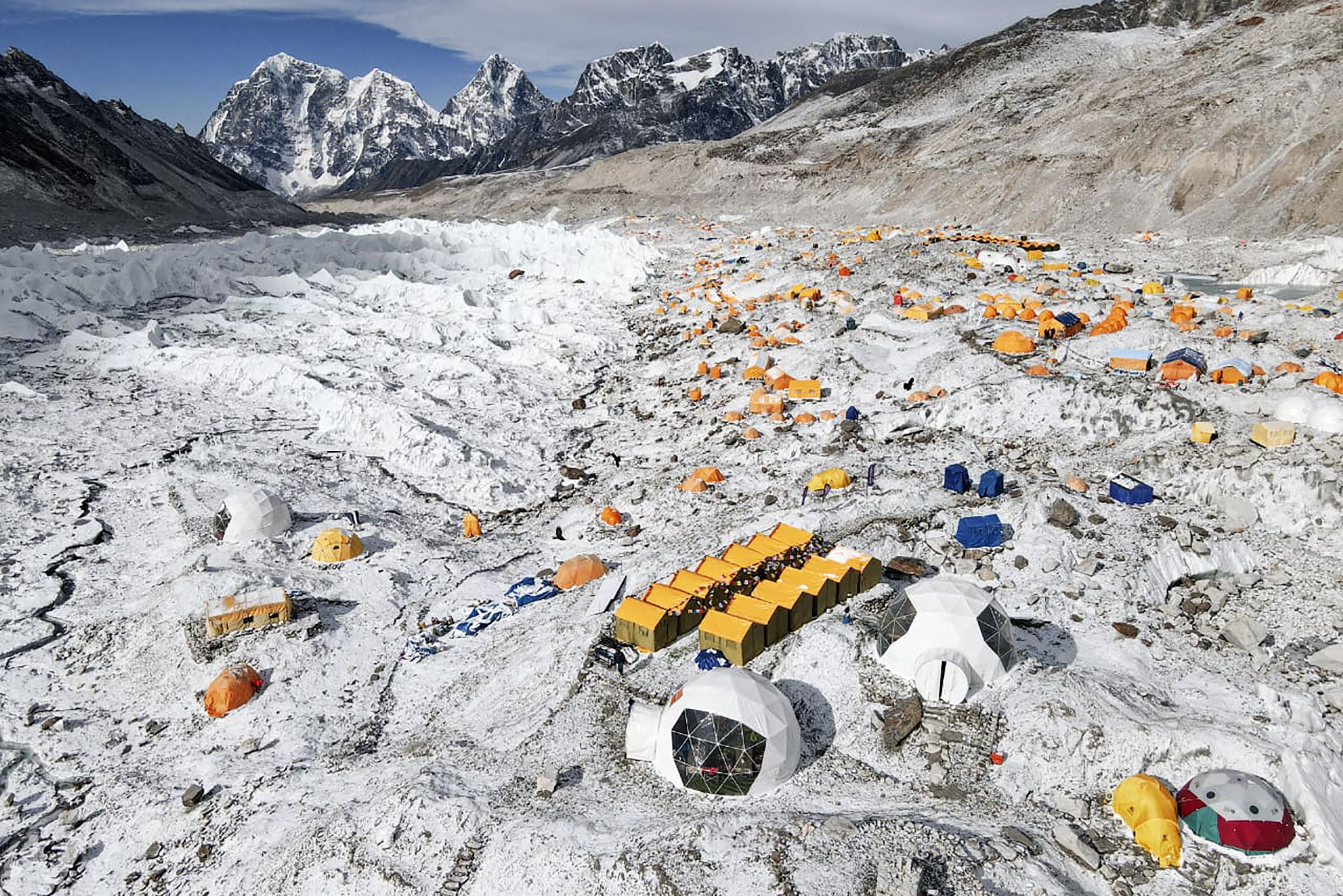
The trek’s highlight is reaching Everest Base Camp (5,364 m), where climbers prepare for their ascent to the summit. The experience of standing in this legendary spot, surrounded by the grandeur of the Himalayas, is truly unforgettable. For an extra thrill, many trekkers ascend Kala Patthar (5,545 m) for panoramic sunrise views of Everest and its neighboring giants.

The best seasons for this trek are spring (March-May) and autumn (September-November), when the weather is clear, and the trails are vibrant. Whether you’re seeking adventure, inspiration, or the challenge of a lifetime, the Everest Base Camp Trek with Explore Himalaya Treks offers a seamless and memorable journey to the top of the world.

Departure Dates
  • We have daily departures for this trip from March to May and from mid-September to mid-December. You can type in the number of passengers to book a reservation and select a date that is convenient for you. Due to group size, we never cancel a trip once you’ve made a reservation. If you would rather join the group, we will add more travelers on the selected date. You can let us know once you make a reservation or earlier.
Useful Info

Trek Duration

The Everest Base Camp Trek typically takes 12–14 days, including acclimatization days in Namche Bazaar and Dingboche to ensure safety at high altitudes.

Difficulty Level

The trek is classified as moderate to challenging, suitable for trekkers with good fitness levels. Prior trekking experience is helpful but not mandatory.

Best Seasons

The best times to trek are spring (March-May) and autumn (September-November). These seasons offer stable weather, clear skies, and excellent mountain views.

Altitude and Acclimatization

The trek reaches a maximum altitude of 5,545 meters (Kala Patthar). Proper acclimatization is essential to avoid altitude sickness. Include rest days in your itinerary and stay hydrated.

Permits Required

Trekkers need two permits:

  1. Sagarmatha National Park Permit
  2. Khumbu Pasang Lhamu Rural Municipality Permit

Both can be obtained in Kathmandu or at the trek entry points.

Accommodation and Meals

The trek offers comfortable teahouse lodges providing basic rooms with twin beds. Meals typically include traditional Nepali dishes (dal bhat), noodles, soups, and western options like pasta or pancakes.

Packing Essentials

Key items include:

  • Warm layers and a down jacket
  • Sturdy trekking boots
  • Sleeping bag (rated for -15°C)
  • Trekking poles
  • Sunscreen, sunglasses, and a hat

Connectivity and Electricity

Wi-Fi is available in most teahouses for a small fee, but the connection may be slow. Charging devices is possible, but costs increase with altitude. Carry a power bank for convenience.

Travel Insurance

Comprehensive insurance covering high-altitude trekking and emergency evacuation is mandatory for this trek.

Getting There

The trek starts with a thrilling flight to Lukla Airport, often referred to as one of the most exciting airstrips in the world.

FAQs
  • The trek typically spans 12–14 days, depending on the itinerary. This includes acclimatization days in Namche Bazaar and Dingboche to adapt to the increasing altitude. Some trekkers may extend the duration for a more relaxed pace or additional stops.

  • Prior trekking experience is not required, but you should be physically fit and prepared for long walks of 5–8 hours daily on varied terrain. Cardiovascular training, strength exercises, and practice hikes are recommended. First-time trekkers often find this journey challenging but manageable with proper preparation.


  • The best times to trek are:

    • Spring (March-May): Moderate temperatures, blooming rhododendrons, and clear views.
    • Autumn (September-November): Crisp air, stable weather, and vibrant landscapes after the monsoon.

    Trekking during winter (December-February) or monsoon (June-August) is possible but less favorable due to harsh conditions or heavy rainfall.

  • You’ll need two permits:

    1. Sagarmatha National Park Permit (approx. NPR 3,000 for foreign nationals).
    2. Khumbu Pasang Lhamu Rural Municipality Permit (approx. NPR 2,000).

    These can be obtained in Kathmandu, at the Nepal Tourism Board Office, or at trek checkpoints like Monjo.

  • Yes, altitude sickness is a significant risk as the trek reaches 5,545 meters at Kala Patthar. Symptoms include headaches, nausea, and fatigue. To prevent it:

    • Acclimatize properly: Rest days in Namche Bazaar and Dingboche are essential.
    • Ascend gradually: Avoid rapid elevation gain.
    • Stay hydrated and avoid alcohol.

    If symptoms worsen, descending to a lower altitude is crucial.

  • Teahouses along the trail provide basic lodging with twin-sharing rooms and communal dining areas.

    • Facilities: Shared bathrooms, hot showers (for a fee), and simple beds.
    • Meals: Dal bhat (rice and lentils), noodles, soups, and Western options like pasta or pancakes. Availability decreases with altitude.

  • The trek is rated moderate to challenging due to the combination of high altitudes, rugged paths, and long walking hours. While technical climbing skills are unnecessary, a good fitness level is vital. Expect steep ascents, descents, and rocky trails.

  • Key items include:

    • Clothing: Layered thermal wear, a down jacket, trekking pants, gloves, and a hat.
    • Footwear: Sturdy, broken-in trekking boots with good grip.
    • Accessories: Trekking poles, a sleeping bag (rated for -15°C), and a headlamp.
    • Other Essentials: Water purification tablets, sunscreen, sunglasses, and basic medicines (for altitude and general ailments).

    • Charging: Available at most teahouses but costs increase with altitude (USD 2–5 per charge).
    • Wi-Fi: Provided in many lodges under names like “Everest Link.” It’s reliable in lower villages but patchy at higher elevations. Carry a power bank as a backup.

  • Yes, travel insurance is mandatory. It should cover:

    • Emergency evacuation via helicopter (up to 6,000 meters).
    • Medical expenses for altitude-related issues.
    • Trekking-related incidents (like injuries or trip cancellations).

    Ensure your policy specifies high-altitude trekking coverage.

You May Also LikeSimilar Itineraries
Everest Base Camp Treks
Difficulty: Moderate 14 Days
Max. Height: 5,364M
Everest Three Pass Treks / high Pass Everest Featured
Everest Three Pass Treks / high Pass Everest
Difficulty: Moderate 22 Days
Max. Height: 5,364M